July 29, 2026
Planning a wedding is one of the most thrilling journeys you'll ever embark on, but it can also feel like navigating a maze of unsolicited advice and confusing industry terminology. At the heart of all your planning lies a single, pivotal decision: choosing where you'll tie the knot and celebrate with your loved ones.
Because this single choice dictates your budget, guest list, vendor team, and overall aesthetic, it is easy for rumors and myths to cloud your judgment. Many couples begin their search carrying outdated assumptions that lead to unexpected costs, unnecessary stress, or missed opportunities. To help you navigate the search with total confidence and clarity, we're breaking down the reality behind the process so you can discover and secure the best wedding venue for your unique style and budget.
Misconception 1: The Sticker Price Covers Everything You Need
One of the most frequent surprises couples encounter when touring sites is discovering that the rental fee is rarely the final cost. It is easy to fall in love with a stunning space based on its listed daily rate, assuming that price tag includes tables, chairs, linens, setup, teardown, and staffing. However, venue pricing models vary dramatically across the industry. Some locations operate on a "blank canvas" model where you're paying solely for the walls and the floor, requiring you to rent every spoon, napkin, and sound speaker separately. Other sites offer all-inclusive pricing that bundles catering, rentals, and coordination into a single rate. Even the best wedding venue might charge additional fees for service charges, liability insurance, cleaning, corkage, or extra hours of setup time. Always request a line-item itemization of what is included in the base rate before signing on the dotted line.
Misconception 2: You Can Wait Until a Few Months Before the Date to Book
When couples first get engaged, they often want to savor the moment before diving into logistics. While taking a breath is wonderful, delaying your venue search can severely limit your options. According to Martha Stewart, great wedding venues get booked 12 to 18 months in advance. Prime dates, especially Saturdays during peak spring and autumn seasons, are snapped up rapidly by couples who begin touring the moment they start planning. If you have your heart set on a specific season, popular date, or renowned location, starting your search early is non-negotiable. Touring the best wedding venues in your region well ahead of time ensures you secure your top choice without having to compromise on your ideal timeline or settled vision.
Misconception 3: Outdoor Venues Always Have Similar Rain Plans
A sweeping outdoor meadow, a coastal bluff, or a lush botanical garden can create a breathtaking backdrop for your vows. However, assuming that an outdoor venue automatically possesses an indoor backup space that matches the charm of its primary site is a risky mistake. Many venues offer a rain alternative that consists of a standard tent setup or a functional indoor room that may feel like an afterthought compared to the outdoor lawn. Weather is inherently unpredictable, and trusting a backup space you haven't seen in person can lead to major disappointment on the big day. When touring, insist on seeing the bad-weather layout with the same scrutiny you give the primary location. The best wedding venues will always have a robust, attractive, and stress-free rain contingency plan that you love almost as much as Plan A.
Misconception 4: You Have Unlimited Freedom to Hire Any Vendor You Want
Many couples assume that once they rent a space, they have complete creative control over who cooks the food, pours the drinks, plays the music, or hangs the floral arrangements. In reality, venue operations are strictly governed by local codes, insurance policies, and operational standards. Most established locations enforce a preferred vendor list or an exclusive vendor rule. This means you may be required to choose your caterer, bartender, or lighting technician from a pre-approved list of professionals who have proven their reliability and hold valid insurance. While this guarantees high service standards and seamless event flow, it can limit your flexibility if you had your heart set on bringing in a niche food truck or an out-of-town decorator. Working with the best wedding venues means reviewing these vendor guidelines early, so you know exactly how much flexibility you have to build your dream vendor team.
Misconception 5: Maximum Capacity Means Everyone Will Be Comfortable
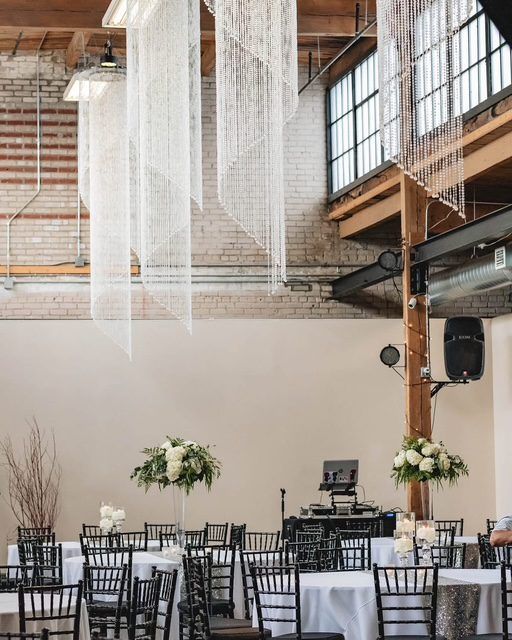
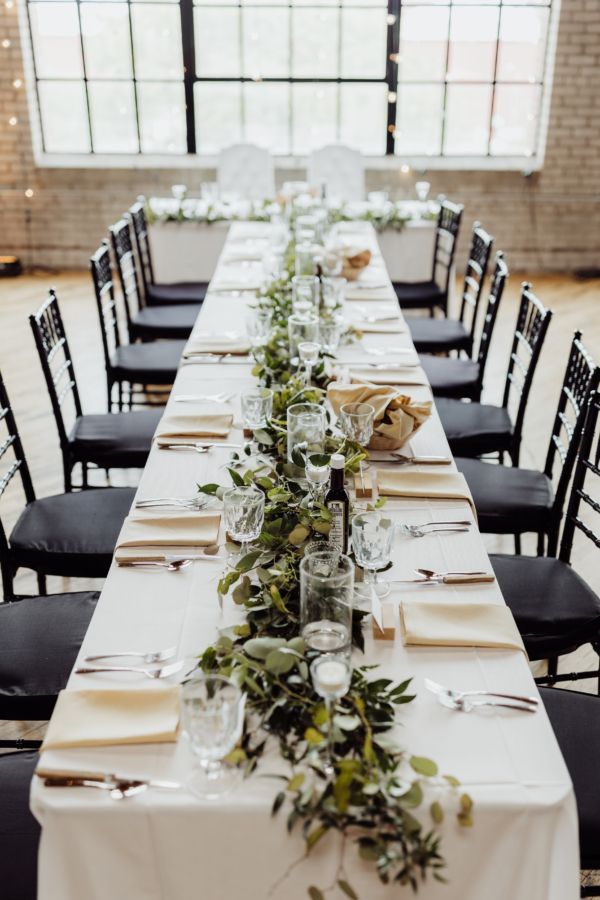
When a venue coordinator tells you that a ballroom or barn has a capacity of 200 guests, it is tempting to believe that inviting 200 people will be seamless. However, maximum building capacity refers to the legal fire code limit, and not necessarily the optimal layout for a comfortable, spacious reception. A room rated for 200 guests might technically hold that number, but only if you use small round tables, forgo a head table, minimize the bar area, and settle for a tiny dance floor. Once you add elements like a DJ booth, photo booth, gift table, buffet line, and cake display, the usable space shrinks rapidly. When evaluating the best wedding venues, ask the event director for sample floor plans based on your estimated guest count so you can visualize how much elbow room your family and friends will actually have.
Misconception 6: DIY "Raw Space" Venues Are Always the Cheaper Option
It seems logical: renting an empty barn, industrial warehouse, or public park for a low flat rate must cost less than booking an established, full-service venue. In practice, the "blank canvas" route frequently turns out to be equal to, or even more expensive than, an all-inclusive venue. When you rent a raw space, you become responsible for sourcing every single operational element. You'll need to hire portable restrooms, generator power, catering equipment, lighting trusses, tables, chairs, glassware, and a professional setup and cleanup crew.
Beyond the financial cost, the logistical burden and time investment required to coordinate dozens of individual rental deliveries can turn your planning process into a full-time job. Booking one of the best wedding venues with all-inclusive packages or robust built-in amenities often saves you thousands of dollars in hidden rental fees while sparing you immense stress.
Misconception 7: A Saturday Night Reception Is the Only Way to Celebrate
For decades, the traditional Saturday evening reception was viewed as the gold standard for weddings. Today, this tradition is rapidly evolving as couples embrace creative alternatives that offer greater value and unique experiences. Believing that a Friday, Sunday, or weekday wedding will feel "lesser" or cause low attendance is an outdated myth. In truth, non-Saturday celebrations allow you to stretch your budget significantly, as many locations offer substantial discounts for non-peak days.
Furthermore, weekday or Sunday brunch weddings give you the freedom to create memorable, personal experiences, such as an intimate twilight dinner or a sunny afternoon garden party with lawn games and signature cocktails. Exploring alternative days opens up dates at the best wedding venue that might otherwise be fully booked years in advance.
At Studio D2D Event Venues, transparency is at the heart of everything we do right from the start. We take the guesswork and stress out of planning by directly addressing and eliminating all seven of these common misconceptions through upfront, clear pricing and straightforward guidelines. Our all-inclusive approach ensures that essential venue needs—from tables, chairs, and linen options to state-of-the-art lighting, sound, and professional event coordination—are built right into your package, saving you from hidden fees and logistical headaches. Whether you are exploring flexible event dates, navigating guest counts, or planning seamless weather backup options, Studio D2D provides total clarity and support every step of the way. To learn more, reach out to the experts at Studio D2D Event Venues today!